
Stainless Steel Wire Mesh
Stainless steel wire mesh is a type of woven fabric made from stainless steel wires. It is commonly used for various applications due to its durability, corrosion resistance, and high tensile strength. The mesh is created by interweaving individual stainless steel wires in a crisscross pattern, resulting in a grid-like structure.

Products

304 Stainless Steel Wire Mesh
Stainless Steel
309 Stainless Steel Wire Mesh
Stainless Steel
310 Stainless Steel Wire Mesh
Stainless Steel
314 Stainless Steel Wire Mesh
Stainless Steel
316 L Stainless Steel Wire Mesh
Stainless Steel316 Stainless Steel Wire Mesh
Stainless Steel
321 Stainless Steel Wire Mesh
Stainless Steel
330 Stainless Steel Wire Mesh
Stainless Steel
347 Stainless Steel Wire Mesh
Stainless Steel
410 Stainless Steel Wire Mesh
Stainless Steel
430 Stainless Steel Wire Mesh
Stainless Steel
No products match.
Choose your stainless steel wire mesh.


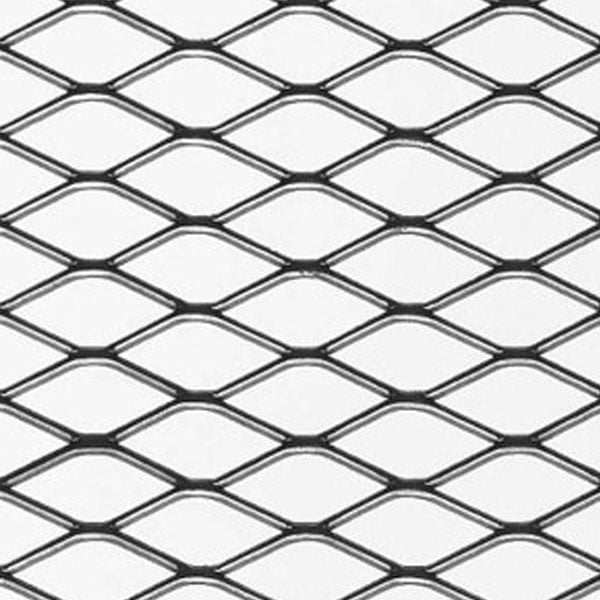


By crimp type
- Plain Weave / Plain Crimp
- Intercrimp or Lock Crimp
- Welded
By mesh count
- From 4" x 4" Opening to ¾" x ¾" Mesh
- From 2 x 2 Mesh to 4 x 4 Mesh
- From 5 x 5 Mesh to 18 x 18 Mesh
- From 20 x 20 Mesh to 40 x 40 Mesh
- From 50 x 50 Mesh to 500 x 500 Mesh
By width of opening
- From 4.00" to 1.338"
- From .937" to .228"
- From .222" to .060"
- From .059" to .030"
- From .028" to .010"
- From .009" to .001"
Features
- Wide Range of Stainless Steel Grades Available. It is offered in a variety of grades, including 304, 316, 321, and more, allowing for precise selection based on the required properties.
- Easy Formability, Manufacturability, and Corrosion Resistance. Stainless steel wire mesh can be easily shaped and manufactured to suit various applications. It exhibits high resistance to corrosion, making it suitable for use in harsh environments.
- High Tensile Strength and Temperature Resistance. It possesses a strong structural integrity, allowing it to withstand high levels of tension and elevated temperatures without losing its shape or functionality.
- Impact Resistance and Excellent Strength-to-Weight Ratio. The mesh is capable of absorbing impacts without deforming. It also offers a high strength-to-weight ratio, making it both lightweight and durable.
- Attractive Appearance and High Cleanability, Low-Maintenance. Stainless steel wire mesh has a sleek and modern appearance, making it aesthetically pleasing. It’s also easy to clean and requires minimal maintenance.
- Durable Material and Environmentally Friendly (Recyclable). It is a long-lasting material that can endure harsh conditions. Additionally, stainless steel is eco-friendly as it is fully recyclable.
- Sturdy for Multi-Purpose Applications. Its versatility allows for a wide range of applications, from industrial uses to architectural and decorative purposes.
- Easy to Cut and Shape, Quick to Unroll & Install. The mesh can be easily manipulated to fit specific requirements. It is also straightforward to install, saving time and effort.
- Available in Different Dimensions as Required. Stainless steel wire mesh can be customized to meet specific size and dimension needs, ensuring it fits perfectly for the intended application.
- Quality Stainless Steel Wire Mesh Delivered in a Roll. It is typically provided in rolls, which facilitates easy transportation and installation.
- Variety of Stainless Steel Grades. There are different grades of stainless steel wire mesh available, each with specific properties and characteristics, allowing for selection based on the intended application.
- Customizable for Specific Applications. Stainless steel wire mesh is available in various hole sizes, thicknesses, and configurations, making it adaptable to a wide range of uses.
Applications
- Filter Media Support. Used as a support structure for various types of filters, ensuring proper filtration and separation of particles in industries like pharmaceuticals, chemicals, and food processing.
- Protection. Stainless steel wire mesh panels is employed to provide protective barriers in machinery, equipment, and even windows, offering resistance against physical damage or intrusion.
- Printing. Utilized in the printing industry for processes like screen printing, where the mesh acts as a stencil to apply ink onto surfaces.
- Filtration. Used for separating solids from liquids or gases in applications such as water treatment, oil filtration, and air purification systems.
- Sifting and Sizing. Employed in industries like agriculture and food processing to sift and size particles for various processes, including grading of grains.
- Faucet Screen. Used in faucets and other plumbing applications to prevent debris or sediments from clogging the water flow.
- Insect Screen. Used as screens on doors and windows to keep insects out while allowing air circulation.
- CRT Screen. Found in older Cathode Ray Tube (CRT) televisions and monitors as part of the display component.
- High Transparency Grade. Specifically manufactured for applications that require a high level of transparency, such as in architectural or decorative designs.
- Decorative/Craft Applications. Employed in various artistic and decorative projects for its aesthetic appeal and durability.
- Chemical Industry. Used for sifting and grading various chemicals in processes like manufacturing and quality control.
- Cement Industries. Employed in cement production for various processes, including sizing and grading of raw materials.
- Powders, Minerals, and Pigments. Used for sifting and grading fine powders and particles in industries like pharmaceuticals, cosmetics, and paint manufacturing.
- Stone Crushing Industries. Utilized in stone crushing and quarrying operations to separate and size crushed materials for further processing.
Specifications
- Material
- Stainless Steel
- Dimensions
- ASTM, ASME, and API
- Specification
- ASTM A580, A313 / ASME SA580, SA313
- Diameter
- 5.5 mm – 400 mm
- Length
- Max 12000 mm
- Types
- Welded Wire Mesh, Square Wire Mesh, Hexagonal Wire Mesh, Tele Weave Wire Mesh, Fine Wire Mesh, Spring Steel Wire Mesh, Intermediate Wire Mesh, Woven Wire Netting, Woven Wire Netting, Plant Supporting Nets, Hex Wire Netting.
Industries we supply.
About stainless steel wire mesh
Stainless steel wire mesh roll comes in various grades, with 304 and 316 being the most common. These grades refer to the types of stainless steel alloys used in the mesh. Grade 304 is known for its general corrosion resistance and is suitable for many indoor and outdoor applications. Grade 316, on the other hand, offers superior corrosion resistance, making it ideal for use in harsh environments or in contact with chemicals and saltwater.
This type of mesh finds a wide range of applications across industries. Woven stainless steel wire mesh is used in filtration systems, for screening and sieving, in architectural applications like balustrades and facades, in animal enclosures, and in various industrial processes where a strong and corrosion-resistant material is required. 304 stainless steel wire mesh is valued for its longevity, resistance to environmental factors, and its ability to maintain its structural integrity even in extreme conditions. This makes stainless steel wire mesh screen a popular choice in industries where reliability and durability are crucial.
FAQs.
All FAQsWhich stainless steel grades does stainless steel wire mesh come in?
It comes in 12 grades, each a separate product: 304, 304 L, 316, 316 L, 309, 310, 314, 321, 330, 347, 410 and 430. Choose the grade for the corrosion and temperature it will meet.
Is 304 or 316 stainless steel wire mesh better for chemical duty?
Grade 316, for chemicals and salt water. Grade 304 has general corrosion resistance and suits many indoor and outdoor uses. Grade 316 gives more corrosion resistance, so it suits harsh environments and contact with chemicals and saltwater.
What is stainless steel wire mesh used for?
Filtration, filter media support, sifting and sizing. Other uses include screen printing, faucet and insect screens, protective barriers, and grading in chemical plants, cement works, powders, minerals and pigments, and stone crushing.
How is stainless steel wire mesh supplied?
In rolls, and in hole sizes, thicknesses and configurations to your requirement. The mesh is woven by interweaving stainless steel wires in a crisscross pattern. It can be cut to the size and dimensions your application needs.
Note: Please note that the information on this document is for illustration purposes only as information may vary with individual products, their grade and applications, industries or uses and therefore cannot be guaranteed as accurate.