
Wire Mesh
Wire mesh is a flexible material made up of interlocking metal wires arranged in a grid or lattice pattern. This grid structure creates a mesh-like sheet, which can be flexible or rigid depending on the specific construction.
- 15 metals and alloys
- 5 weaves

Products

304 L Stainless Steel Wire Mesh
Stainless Steel
304 Stainless Steel Welded Wire Mesh
Stainless Steel Welded
304 Stainless Steel Wire Mesh
Stainless Steel
309 Stainless Steel Welded Wire Mesh
Stainless Steel Welded
309 Stainless Steel Wire Mesh
Stainless Steel
310 Stainless Steel Welded Wire Mesh
Stainless Steel Welded
310 Stainless Steel Wire Mesh
Stainless Steel
314 Stainless Steel Welded Wire Mesh
Stainless Steel Welded
314 Stainless Steel Wire Mesh
Stainless Steel
316 L Stainless Steel Welded Wire Mesh
Stainless Steel Welded
316 L Stainless Steel Wire Mesh
Stainless Steel
316 Stainless Steel Welded Wire Mesh
Stainless Steel Welded316 Stainless Steel Wire Mesh
Stainless Steel
321 Stainless Steel Welded Wire Mesh
Stainless Steel Welded
321 Stainless Steel Wire Mesh
Stainless Steel
330 Stainless Steel Welded Wire Mesh
Stainless Steel Welded
330 Stainless Steel Wire Mesh
Stainless Steel
347 Stainless Steel Welded Wire Mesh
Stainless Steel Welded
347 Stainless Steel Wire Mesh
Stainless Steel
410 Stainless Steel Welded Wire Mesh
Stainless Steel Welded
410 Stainless Steel Wire Mesh
Stainless Steel
430 Stainless Steel Welded Wire Mesh
Stainless Steel Welded
430 Stainless Steel Wire Mesh
Stainless Steel
65-35 Yellow Brass Wire Mesh CDA 270
Brass
70-30 Cartridge Brass Wire Mesh CDA 260
Brass
80-20 Low Brass Wire Mesh CDA 240
Brass
Aluminium 1100 Wire Mesh
Aluminium
Aluminium 1350 Wire Mesh
Aluminium
Aluminium 3003 Wire Mesh
Aluminium
Aluminium 5052 Wire Mesh
Aluminium
Aluminium 5056 Wire Mesh
Aluminium
Aluminium 5154 Wire Mesh
Aluminium
Aluminium 6061 Wire Mesh
Aluminium
Aluminium Circular Wire Mesh
Aluminium · Circular
Aluminium Dutch Weave Wire Mesh
Aluminium · Dutch Weave
Aluminium epoxy coated Wire Mesh
Aluminium · Epoxy Coated
Aluminium Expanded Wire Mesh
Aluminium · Expanded
Aluminium Fine Wire Mesh
Aluminium · Fine
Aluminium Five Shed Twill Weave Wire Mesh
Aluminium · Five Shed Twill Weave
Aluminium Mosquito Net
Aluminium
Aluminium Plain Weave Wire Mesh
Aluminium · Plain Weave
Aluminium Rectangular Wire Mesh
Aluminium · Rectangular
Aluminium Reverse Dutch Weave Wire Mesh
Aluminium · Reverse Dutch Weave
Aluminium Square Wire Mesh
Aluminium · Square
Aluminium Twill Dutch Weave Wire Mesh
Aluminium · Twill Dutch Weave
Aluminium Woven Wire Mesh
Aluminium · Woven
Bee keeping Wire Mesh

Brass Circular Wire Mesh
Brass · Circular
Brass Compressed Knitted Wire Mesh
Brass · Knitted
Brass Dutch Weave Wire Mesh
Brass · Dutch Weave
Brass Expanded Wire Mesh
Brass · Expanded
Brass Fine Wire Mesh
Brass · Fine
Brass Five Shed Twill Weave Wire Mesh
Brass · Five Shed Twill Weave
Brass Ginning Knitted Wire Mesh
Brass · Knitted
Brass Hexagonal Wire Mesh
Brass · Hexagonal
Brass Plain Weave Wire Mesh
Brass · Plain Weave
Brass Rectangular Wire Mesh
Brass · Rectangular
Brass Reverse Dutch Weave Wire Mesh
Brass · Reverse Dutch Weave
Brass Square Wire Mesh
Brass · Square
Brass Twill Dutch Weave Wire Mesh
Brass · Twill Dutch Weave
Brass Woven Wire Mesh
Brass · Woven
Bronze Circular Wire Mesh
Bronze · Circular
Bronze Compressed Knitted Wire Mesh
Bronze · Knitted
Bronze Dutch Weave Wire Mesh
Bronze · Dutch Weave
Bronze Expanded Wire Mesh
Bronze · Expanded
Bronze Fine Wire Mesh
Bronze · Fine
Bronze Five Shed Twill Weave Wire Mesh
Bronze · Five Shed Twill Weave
Bronze Plain Weave Wire Mesh
Bronze · Plain Weave
Bronze Rectangular Wire Mesh
Bronze · Rectangular
Bronze Reverse Dutch Weave Wire Mesh
Bronze · Reverse Dutch Weave
Bronze Square Wire Mesh
Bronze · Square
Bronze Twill Dutch Weave Wire Mesh
Bronze · Twill Dutch Weave
Bronze Wire Mesh
Bronze
Bronze Woven Wire Mesh
Bronze · WovenCarbon Steel Demister Pad
Steel
Carbon Steel Knitted Wire Mesh Demister Pad
Steel
Carbon Steel Welded Mesh
Steel · Welded
Chain Link Fence

Chicken Wire Mesh

Clamp Crimped Wire Mesh
Crimped
Clamp Crimped Woven Wire Mesh
Woven
Column Shape Compressed Knitted Wire Mesh
Knitted
Concrete Reinforcement Mesh

Copper Circular Wire Mesh
Copper · Circular
Copper Compressed Knitted Wire Mesh
Copper · Knitted
Copper Dutch Weave Wire Mesh
Copper · Dutch Weave
Copper Expanded Wire Mesh
Copper · Expanded
Copper Fine Wire Mesh
Copper · Fine
Copper Five Shed Twill Weave Wire Mesh
Copper · Five Shed Twill Weave
Copper Ginning Knitted Wire Mesh
Copper · Knitted
Copper Hexagonal Wire Mesh
Copper · Hexagonal
Copper Plain Weave Wire Mesh
Copper · Plain Weave
Copper Rectangular Wire Mesh
Copper · Rectangular
Copper Reverse Dutch Weave Wire Mesh
Copper · Reverse Dutch Weave
Copper Square Wire Mesh
Copper · Square
Copper Twill Dutch Weave Wire Mesh
Copper · Twill Dutch Weave
Copper Wire Mesh
Copper
Copper Woven Wire Mesh
Copper · Woven
Cylinder Shape Compressed Knitted Wire Mesh
Knitted
Disc Shape Compressed Knitted Wire Mesh
Knitted
Double Crimped Wire Mesh
Crimped
Double Crimped Woven Wire Mesh
Woven
Dutch Weave Woven Wire Mesh
Woven
Filter Packs Wire Mesh

Fireplace screen

Five Shed Twill Weave Woven Wire Mesh
Woven
Flat Top Wire Mesh
Crimped
Flat Top Wire Mesh Screen

Flat Top Woven Wire Mesh
Woven
Galvanized Hexagonal Wire Mesh
Hexagonal
Galvanized Welded Mesh
Welded
Hastelloy B2 Wire Mesh
Hastelloy
Hastelloy B3 Wire Mesh
Hastelloy
Hastelloy C 276 Wire Mesh
Hastelloy
Hastelloy C22 Wire Mesh
Hastelloy
Hastelloy Circular Wire Mesh
Hastelloy · Circular
Hastelloy Compressed Knitted Wire Mesh
Hastelloy · Knitted
Hastelloy Dutch Weave Wire Mesh
Hastelloy · Dutch Weave
Hastelloy Expanded Wire Mesh
Hastelloy · Expanded
Hastelloy Fine Wire Mesh
Hastelloy · Fine
Hastelloy Five Shed Twill Weave Wire Mesh
Hastelloy · Five Shed Twill Weave
Hastelloy Plain Weave Wire Mesh
Hastelloy · Plain Weave
Hastelloy Rectangular Wire Mesh
Hastelloy · Rectangular
Hastelloy Reverse Dutch Weave Wire Mesh
Hastelloy · Reverse Dutch Weave
Hastelloy Square Wire Mesh
Hastelloy · Square
Hastelloy Twill Dutch Weave Wire Mesh
Hastelloy · Twill Dutch Weave
Hastelloy Woven Wire Mesh
Hastelloy · Woven
High Carbon Steel Wire Mesh
Steel
Inconel 600 Wire Mesh
Inconel
Inconel 601 Wire Mesh
Inconel
Inconel 617 Wire Mesh
Inconel
Inconel 625 Wire Mesh
Inconel
Inconel 718 Wire Mesh
Inconel
Inconel Circular Wire Mesh
Inconel · Circular
Inconel Compressed Knitted Wire Mesh
Inconel · Knitted
Inconel Dutch Weave Wire Mesh
Inconel · Dutch Weave
Inconel Expanded Wire Mesh
Inconel · Expanded
Inconel Fine Wire Mesh
Inconel · Fine
Inconel Five Shed Twill Weave Wire Mesh
Inconel · Five Shed Twill Weave
Inconel Plain Weave Wire Mesh
Inconel · Plain Weave
Inconel Rectangular Wire Mesh
Inconel · Rectangular
Inconel Reverse Dutch Weave Wire Mesh
Inconel · Reverse Dutch Weave
Inconel Square Wire Mesh
Inconel · Square
Inconel Twill Dutch Weave Wire Mesh
Inconel · Twill Dutch Weave
Inconel Woven Wire Mesh
Inconel · Woven
Insect screen

Inter Crimped Wire Mesh
Crimped
Inter Crimped Woven Wire Mesh
Woven
Intercrimp galvanised Wire Mesh
Galvanized
Iron Circular Wire Mesh
Iron · Circular
Iron Compressed Knitted Wire Mesh
Iron · Knitted
Iron Dutch Weave Wire Mesh
Iron · Dutch Weave
Iron Expanded Wire Mesh
Iron · Expanded
Iron Fine Wire Mesh
Iron · Fine
Iron Five Shed Twill Weave Wire Mesh
Iron · Five Shed Twill Weave
Iron Plain Weave Wire Mesh
Iron · Plain Weave
Iron Rectangular Wire Mesh
Iron · Rectangular
Iron Reverse Dutch Weave Wire Mesh
Iron · Reverse Dutch Weave
Iron Square Wire Mesh
Iron · Square
Iron Twill Dutch Weave Wire Mesh
Iron · Twill Dutch Weave
Iron Wire Mesh
Iron
Iron Woven Wire Mesh
Iron · Woven
Knitted Wire Mesh Roll
Knitted
Lock Crimped Wire Mesh
Crimped
Lock Crimped Woven Wire Mesh
Woven
Low Carbon Steel Wire Mesh
Steel
Metal Mesh Filter

Metal Screens

Micro Mosquito Wire Mesh

Mild Steel Circular Wire Mesh
Mild Steel · Circular
Mild Steel Dutch Weave Wire Mesh
Mild Steel · Dutch Weave
Mild Steel Expanded Wire Mesh
Mild Steel · Expanded
Mild Steel Fine Wire Mesh
Mild Steel · Fine
Mild Steel Five Shed Twill Weave Wire Mesh
Mild Steel · Five Shed Twill Weave
Mild Steel Plain Weave Wire Mesh
Mild Steel · Plain Weave
Mild Steel Rectangular Wire Mesh
Mild Steel · Rectangular
Mild Steel Reverse Dutch Weave Wire Mesh
Mild Steel · Reverse Dutch Weave
Mild Steel Square Wire Mesh
Mild Steel · Square
Mild Steel Twill Dutch Weave Wire Mesh
Mild Steel · Twill Dutch Weave
Mild Steel Wire Mesh
Mild Steel
Mild Steel Woven Wire Mesh
Mild Steel · Woven
Molybdenum Wire Mesh

Monel 400 Circular Wire Mesh
Monel 400 · Circular
Monel 400 Dutch Weave Wire Mesh
Monel 400 · Dutch Weave
Monel 400 Expanded Wire Mesh
Monel 400 · Expanded
Monel 400 Fine Wire Mesh
Monel 400 · Fine
Monel 400 Five Shed Twill Weave Wire Mesh
Monel 400 · Five Shed Twill Weave
Monel 400 Plain Weave Wire Mesh
Monel 400 · Plain Weave
Monel 400 Rectangular Wire Mesh
Monel 400 · Rectangular
Monel 400 Reverse Dutch Weave Wire Mesh
Monel 400 · Reverse Dutch Weave
Monel 400 Square Wire Mesh
Monel 400 · Square
Monel 400 Twill Dutch Weave Wire Mesh
Monel 400 · Twill Dutch Weave
Monel 400 Wire Mesh
Monel 400
Monel 400 Woven Wire Mesh
Monel 400 · Woven
Monel Compressed Knitted Wire Mesh
Knitted
Monel Ginning Knitted Wire Mesh
Knitted
Mosquito Screen

Multi Layer Cylindrical Wire Mesh Screen

Multilayer Circular Wire Mesh Screen

Nichrome A Circular Wire Mesh
Nichrome A · Circular
Nichrome A Dutch Weave Wire Mesh
Nichrome A · Dutch Weave
Nichrome A Expanded Wire Mesh
Nichrome A · Expanded
Nichrome A Fine Wire Mesh
Nichrome A · Fine
Nichrome A Five Shed Twill Weave Wire Mesh
Nichrome A · Five Shed Twill Weave
Nichrome A Plain Weave Wire Mesh
Nichrome A · Plain Weave
Nichrome A Rectangular Wire Mesh
Nichrome A · Rectangular
Nichrome A Reverse Dutch Weave Wire Mesh
Nichrome A · Reverse Dutch Weave
Nichrome A Square Wire Mesh
Nichrome A · Square
Nichrome A Twill Dutch Weave Wire Mesh
Nichrome A · Twill Dutch Weave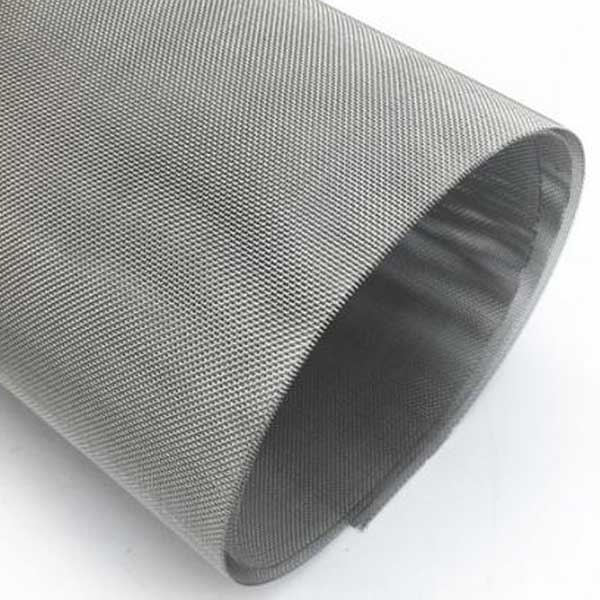
Nichrome A Wire Mesh
Nichrome A
Nichrome A Woven Wire Mesh
Nichrome A · Woven
Nickel Circular Wire Mesh
Nickel · Circular
Nickel Compressed Knitted Wire Mesh
Nickel · Knitted
Nickel Dutch Weave Wire Mesh
Nickel · Dutch Weave
Nickel Expanded Wire Mesh
Nickel · Expanded
Nickel Fine Wire Mesh
Nickel · Fine
Nickel Five Shed Twill Weave Wire Mesh
Nickel · Five Shed Twill Weave
Nickel Ginning Knitted Wire Mesh
Nickel · Knitted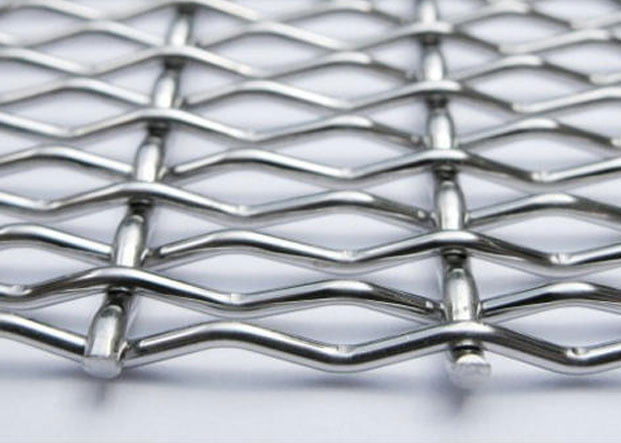
Nickel Plain Weave Wire Mesh
Nickel · Plain Weave
Nickel Rectangular Wire Mesh
Nickel · Rectangular
Nickel Reverse Dutch Weave Wire Mesh
Nickel · Reverse Dutch Weave
Nickel Square Wire Mesh
Nickel · Square
Nickel Twill Dutch Weave Wire Mesh
Nickel · Twill Dutch Weave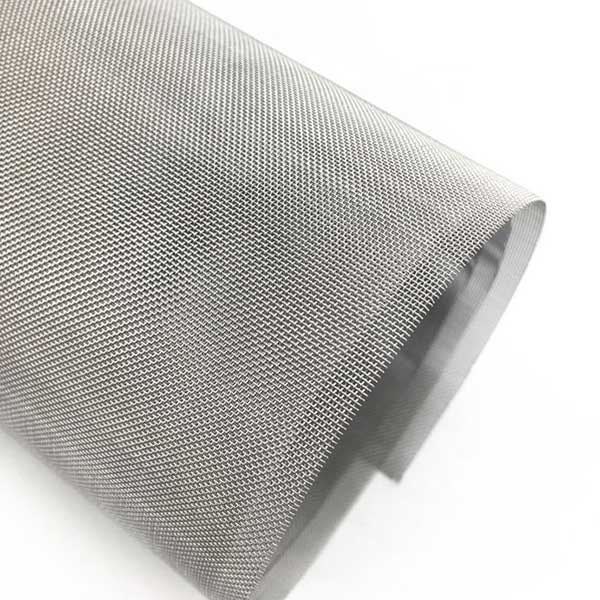
Nickel Wire Mesh
Nickel
Nickel Woven Wire Mesh
Nickel · Woven
Oval Shape Compressed Knitted Wire Mesh
Knitted
Phosphorus Bronze Wire Mesh
Bronze
Plain Weave Galvanised Wire Mesh
Galvanized
Plain Weave Woven Wire Mesh
Woven
Pre Crimped Wire Mesh
Crimped
Pre Crimped Woven Wire Mesh
Woven
PVC Coated Hexagonal Wire Mesh
Hexagonal
Rectangular Shape Compressed Knitted Mesh
Knitted
Reverse Dutch Weave Woven Wire Mesh
Woven
Ring Shape Compressed Knitted Wire Mesh
Knitted
Round Shape Compressed Knitted Wire Mesh
Knitted
Stainless Steel Circular Wire Mesh
Stainless Steel · Circular
Stainless Steel Compressed Knitted Wire Mesh
Stainless Steel · Knitted
Stainless Steel Demister Pad
Stainless Steel
Stainless Steel Dutch Weave Wire Mesh
Stainless Steel · Dutch Weave
Stainless Steel Epoxy coated Wire Mesh
Stainless Steel · Epoxy Coated
Stainless Steel Expanded Wire Mesh
Stainless Steel · Expanded
Stainless Steel filter packs
Stainless Steel
Stainless Steel Fine Wire Mesh
Stainless Steel · Fine
Stainless Steel Five Shed Twill Weave Wire Mesh
Stainless Steel · Five Shed Twill Weave
Stainless Steel Hexagonal Wire Mesh
Stainless Steel · HexagonalStainless Steel Knitted Wire Mesh
Stainless SteelStainless Steel Knitted Wire Mesh Demister Pad
Stainless Steel
Stainless Steel Plain Weave Wire Mesh
Stainless Steel · Plain Weave
Stainless Steel Rectangular Wire Mesh
Stainless Steel · Rectangular
Stainless Steel Reverse Dutch Weave Wire Mesh
Stainless Steel · Reverse Dutch Weave
Stainless Steel Square Wire Mesh
Stainless Steel · Square
Stainless Steel Twill Dutch Weave Wire Mesh
Stainless Steel · Twill Dutch Weave
Stainless Steel Welded Circular Wire Mesh
Stainless Steel Welded · Circular
Stainless Steel Welded Compressed Knitted Wire Mesh
Stainless Steel Welded · Knitted
Stainless Steel Welded Dutch Weave Wire Mesh
Stainless Steel Welded · Dutch Weave
Stainless Steel Welded Expanded Wire Mesh
Stainless Steel Welded · Expanded
Stainless Steel Welded Fine Wire Mesh
Stainless Steel Welded · Fine
Stainless Steel Welded Five Shed Twill Weave Wire Mesh
Stainless Steel Welded · Five Shed Twill Weave
Stainless Steel Welded Mesh
Stainless Steel Welded · Welded
Stainless Steel Welded Plain Weave Wire Mesh
Stainless Steel Welded · Plain Weave
Stainless Steel Welded Rectangular Wire Mesh
Stainless Steel Welded · Rectangular
Stainless Steel Welded Reverse Dutch Weave Wire Mesh
Stainless Steel Welded · Reverse Dutch Weave
Stainless Steel Welded Square Wire Mesh
Stainless Steel Welded · Square
Stainless Steel Welded Twill Dutch Weave Wire Mesh
Stainless Steel Welded · Twill Dutch Weave
Stainless Steel Welded Woven Wire Mesh
Stainless Steel Welded · WovenStainless Steel Wire Mesh Filter
Stainless Steel
Stainless Steel Woven Wire Mesh
Stainless Steel · WovenSteel Circular Wire Mesh
Steel · Circular
Steel Compressed Knitted Wire Mesh
Steel · Knitted
Steel Dutch Weave Wire Mesh
Steel · Dutch Weave
Steel epoxy coated Wire Mesh
Steel · Epoxy CoatedSteel Expanded Wire Mesh
Steel · ExpandedSteel Fine Wire Mesh
Steel · Fine
Steel Five Shed Twill Weave Wire Mesh
Steel · Five Shed Twill WeaveSteel Plain Weave Wire Mesh
Steel · Plain WeaveSteel Rectangular Wire Mesh
Steel · Rectangular
Steel Reverse Dutch Weave Wire Mesh
Steel · Reverse Dutch WeaveSteel Square Wire Mesh
Steel · Square
Steel Twill Dutch Weave Wire Mesh
Steel · Twill Dutch WeaveSteel Woven Wire Mesh
Steel · Woven
Stone Crusher Screen

Strip Shape Compressed Knitted Wire Mesh
Knitted
Titanium Circular Wire Mesh
Titanium · Circular
Titanium Dutch Weave Wire Mesh
Titanium · Dutch WeaveTitanium Fine Wire Mesh
Titanium · Fine
Titanium Five Shed Twill Weave Wire Mesh
Titanium · Five Shed Twill WeaveTitanium Plain Weave Wire Mesh
Titanium · Plain Weave
Titanium Rectangular Wire Mesh
Titanium · Rectangular
Titanium Reverse Dutch Weave Wire Mesh
Titanium · Reverse Dutch Weave
Titanium Square Wire Mesh
Titanium · Square
Titanium Twill Dutch Weave Wire Mesh
Titanium · Twill Dutch Weave
Titanium Wire Mesh
Titanium
Titanium Woven Wire Mesh
Titanium · Woven
Trapezoid Shape Compressed Knitted Wire Mesh
Knitted
Tungsten Circular Wire Mesh
Tungsten · Circular
Tungsten Dutch Weave Wire Mesh
Tungsten · Dutch Weave
Tungsten Fine Wire Mesh
Tungsten · Fine
Tungsten Five Shed Twill Weave Wire Mesh
Tungsten · Five Shed Twill WeaveTungsten Plain Weave Wire Mesh
Tungsten · Plain Weave
Tungsten Rectangular Wire Mesh
Tungsten · Rectangular
Tungsten Reverse Dutch Weave Wire Mesh
Tungsten · Reverse Dutch Weave
Tungsten Square Wire Mesh
Tungsten · Square
Tungsten Twill Dutch Weave Wire Mesh
Tungsten · Twill Dutch Weave
Tungsten Wire Mesh
Tungsten
Tungsten Woven Wire Mesh
Tungsten · Woven
Twill Dutch Weave Woven Wire Mesh
Woven
Vibrating Screen Wire Mesh for Sieving

Vibrating Screen for Refining
Vibrating Screen for Separation

Vibrating Screen Wire Mesh for Cement Industry

Vibrating Screen Wire Mesh for Coal Industry

Vibrating Screen Wire Mesh for Coke Industry

Vibrating Screen Wire Mesh for Iron & Ore
Iron
Vibrating Screen Wire Mesh for Minerals

Vibrating Screen Wire Mesh for Steel Industry
Steel
Vibrating Screen Wire Mesh for Stone Crusher

Wire Mesh Circular Screen

Wire Mesh Filter Disc

Wire Mesh Filter Pads

Wire Mesh Filter Screen

Wire Mesh panels
No products match.
Choose your wire mesh.
By material


Filter products
By product


By mesh count
- From 2" x 2" Opening to 2 x 2 Mesh
- From 4 x 4 Mesh to 10 x 10 Mesh
- From 12 x 12 Mesh to 20 x 20 Mesh
- From 24 x 24 Mesh to 40 x 40 Mesh
- From 50 x 50 Mesh to 200 x 200 Mesh
Weaves and mesh shapes
Plain weave
Each warp wire passes over one weft wire and under the next. It is the most common weave and looks the same on both sides.
View productsDutch weave
The warp wires are thicker than the weft wires, which are driven close together. The result is a dense, firm cloth for filtration.
View productsTwill Dutch weave
A Dutch weave in a twill pattern: each weft wire passes over two warp wires and under two, giving a finer mesh.
View productsReverse Dutch weave
The opposite of Dutch weave: many thin warp wires and fewer, thicker weft wires. It stays stable and resists high pressure.
View productsFive shed twill weave
Each warp wire passes over four weft wires and under one. This gives the cloth a very smooth surface on one side.
View productsSquare mesh
The wires are spaced the same distance apart in both directions, so every opening in the mesh is a square.
View productsRectangular mesh
The wires are spaced further apart in one direction than the other, which makes every opening longer one way.
View productsIndustries we supply.
How to read a mesh specification
- Mesh count
- The number of openings in one linear inch, counted from the centre of one wire.
- Wire diameter
- The thickness of a single wire, given in millimetres, inches or wire gauge.
- Aperture
- The clear opening between two neighbouring wires. This decides what passes through.
- Open area
- The share of the cloth that is opening, not wire, written as a percentage.
Aperture = 25.4 ÷ mesh count − wire diameter (in millimetres)
About wire mesh
Steel wire mesh is commonly used in a wide range of industries for various applications due to its durability, strength, and versatility. The metal wires used in wire mesh can be made from different materials, such as stainless steel, brass, galvanized steel, or copper, each offering unique properties and suitability for specific purposes. These wires are processed using techniques like weaving, welding, or crimping to create the desired mesh pattern.
The resulting SS wire mesh finds applications in areas such as construction, filtration, agriculture, mining, automotive, aerospace, and more. Its uses range from providing structural reinforcement in concrete to acting as screens for filtering and separating materials. Additionally, stainless steel wire mesh is employed for security fencing, animal enclosures, and even in intricate electronic circuits.
Wire Mesh is readily available in the form of cut pieces, rolls, round discs and can also be customized as per clients’ requirement. We stock wire mesh from 5 mm openings up to 5 microns in different standard widths.
FAQs.
All FAQsHow do I calculate wire mesh aperture from the mesh count?
Aperture in millimetres equals 25.4 divided by the mesh count, minus the wire diameter. Mesh count is the number of openings in one linear inch, and the aperture is the clear gap between neighbouring wires. The aperture decides what passes through, so check it before you order.
Which wire mesh weave should I choose for filtration?
For fine filtration, a Dutch weave cloth. Plain Dutch weave has thicker warp wires and close-packed weft wires for a dense, firm cloth. Twill Dutch weave gives a finer mesh, and reverse Dutch weave resists high pressure. Plain weave suits general sieving, and five shed twill gives one smooth side.
What forms is industrial wire mesh supplied in?
Cut pieces, rolls and round discs, or a custom form to your requirement. The range covers openings from 5 mm down to 5 microns in different standard widths. Give the mesh count, wire diameter, material and size, and we cut or make the mesh to it.
Which metals and alloys does your wire mesh come in?
The range covers 15 metals and alloys, from stainless steel and welded stainless to brass, bronze, copper, aluminium, steel, iron and mild steel. Nickel alloys include Monel 400, Inconel, Hastelloy, Nichrome A and nickel. Pick the material for the chemistry and temperature, then the weave for the separation.
Note: Please note that the information on this document is for illustration purposes only as information may vary with individual products, their grade and applications, industries or uses and therefore cannot be guaranteed as accurate.